Every memory generation transition produces the same pattern: the new interface takes the headlines, the old interface takes the orders. DDR5 is now the default in server platforms, yet a large share of industrial, networking and medical designs remain on DDR4 — and will for several years.
Why DDR4 demand is sticky
Qualification cycles in industrial electronics run three to five years. Re-spinning a board for DDR5 means a new PCB stack-up, new power sequencing, new compliance testing, and often a new certification file. The bill is real, and the benefit — bandwidth — is frequently irrelevant to the application.
What that does to supply
As fabs reallocate capacity to DDR5 and HBM, DDR4 parts move to a smaller number of remaining lines. Availability becomes lumpy: quiet for a quarter, then a six-week allocation window.
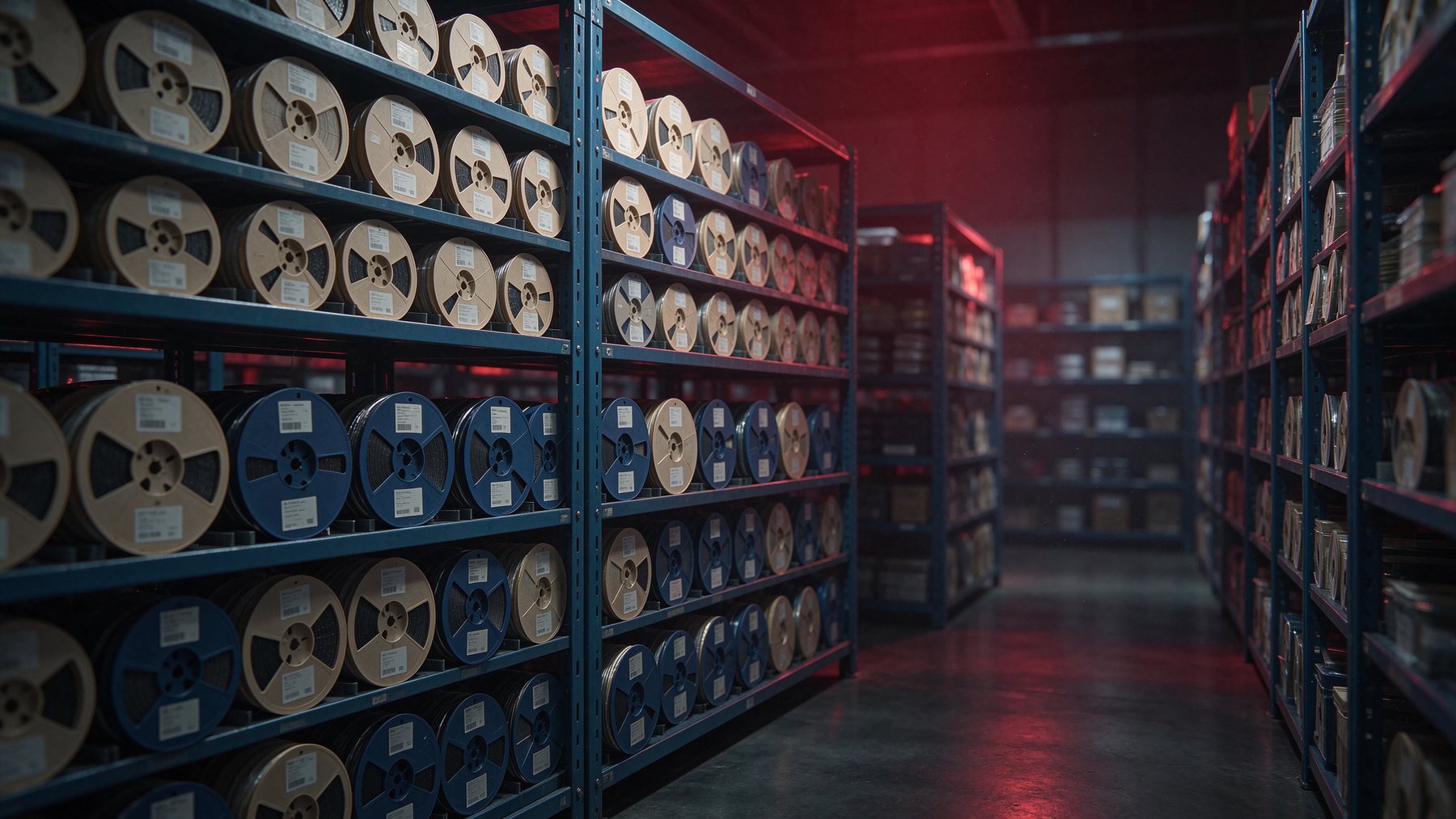
Our approach is to hold buffer inventory on the DDR4 densities our customers actually consume — 4Gb and 8Gb x16 — and to quote from stock rather than from a future allocation.
Practical sourcing advice
- Qualify two densities, not one. A 4Gb part and an 8Gb part often cover the same board with a layout tweak.
- Buy against a twelve-month forecast, not a three-month one, when the part is on a shrinking node.
- Record date codes. Mixed-date shipments are normal; mixed-lot shipments without documentation are not.
- Treat "too cheap" as a data point, not a deal.